10 Budget Friendly Gardening Ideas to Inspire Your Outdoor Space

Updated: Oct 2
A beautiful garden does not have to start with a cart full of new plants, tools, and décor. Some of the best outdoor spaces come from small choices: moving what you already own, starting plants from scraps, adding color in smart places, and making practical items look intentional.
These 10 Budget Friendly Gardening Ideas to Inspire Your Outdoor Space are simple, flexible, and easy to scale. Use one for a weekend refresh, or combine several for a bigger change without a big spend.

Make the most of what you already have
1. Rearrange pots before buying anything new
Container gardens are easy to refresh without spending a dollar. Move pots into groups of three or five, mix heights, and place the healthiest plants where they get noticed.
Try this simple formula:
A tall plant in the back
A fuller plant in the middle
A trailing plant near the edge
This works on patios, porches, balconies, and small yards. Even mismatched containers look better when they feel grouped on purpose.
2. Divide perennials for free plants
Many established perennials become crowded over time. Dividing them helps the plant grow better and gives you extra plants for another bed.
Good candidates often include hostas, daylilies, black-eyed Susans, ornamental grasses, and irises. Use a shovel to lift the clump, split it into smaller sections, and replant right away. Water well after planting.
If a neighbor has a mature garden, plant swaps can be a budget gardener’s best friend. Trade divisions, seeds, or cuttings instead of buying new.
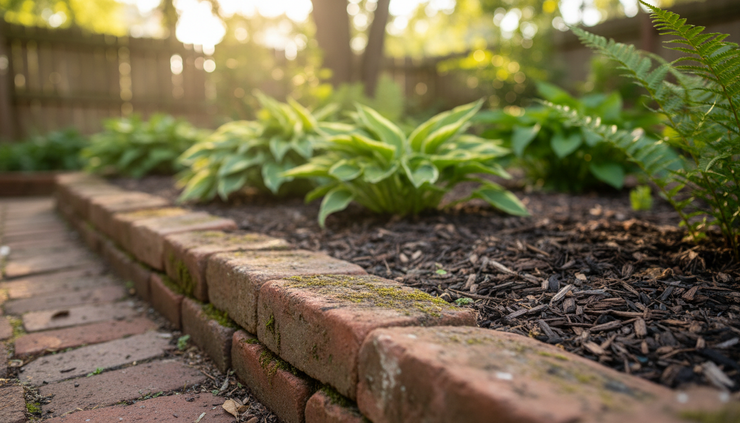
3. Turn leftovers into garden edging
Garden edging makes a bed look cleaner, but store-bought edging can add up fast. Look around for materials you already have.
Useful options include:
Leftover bricks
Smooth stones
Short logs
Scrap wood
Broken concrete pieces set with the clean side up
Keep the edge low and consistent. The goal is to create a clear line between lawn, mulch, gravel, or planting areas.
Add color without overspending
4. Grow annuals from seed
Buying a flat of annuals is convenient, but seed packets stretch much further. Zinnias, cosmos, marigolds, nasturtiums, and sunflowers are popular choices because they grow quickly and bring strong color.
Direct sowing is the easiest method for many flowers. Loosen the soil, follow the spacing on the packet, water gently, and keep the area moist while seeds sprout.
For the biggest impact, plant seeds in clusters instead of scattering them everywhere. A full patch of one flower often looks better than a few plants spread thinly.
5. Use paint where plants are not enough
A little paint can change the whole mood of a garden. Paint an old chair, a tired wooden planter, a fence panel, or a small trellis.
Stick with colors that suit the plants you already have. Soft green, deep blue, warm terra-cotta, and creamy white all work well outdoors. For a brighter style, paint one piece in a bold color and let it act as a focal point.
One can of exterior paint can refresh several small items, especially if you choose pieces that do not need perfect coverage to look charming.
6. Create a mini herb garden near the kitchen
Herbs are useful, fragrant, and attractive. They also make a small space feel productive. Basil, parsley, cilantro, chives, thyme, oregano, and mint are all common choices.
Use thrifted mugs, old bowls, tin cans with drainage holes, or a shallow window box. Keep mint in its own container because it spreads quickly.
A mini herb garden works best where it is easy to reach. A sunny porch step, deck rail, or kitchen-adjacent patio can turn a few small pots into a daily-use garden feature.

Build simple features from low-cost finds
7. Create a Strategy for Finding Used Items
Finding used items can be a rewarding and cost-effective way to acquire goods while being environmentally conscious. Here are some effective strategies to consider:
Online Marketplaces: Utilize websites and apps like Craigslist, Facebook Marketplace, eBay, and OfferUp to search for used items in your area.
Thrift Stores: Visit local thrift shops and consignment stores where you can find a variety of second-hand goods at lower prices.
Garage Sales and Estate Sales: Keep an eye out for neighborhood garage sales and estate sales, which often have unique items at bargain prices.
Swap Events: Participate in community swap meets or events where people trade items they no longer need.
Local Buy Nothing Groups: Join local Buy Nothing groups on social media platforms, where members give away items for free.
Auctions: Attend local auctions, both online and in-person, to find used items that may be of interest.
Networking: Let friends and family know what you're looking for; they may have items to give away or sell.
By utilizing these strategies, you can find quality used items while saving money and reducing waste.
8. Add vertical interest with trellises
A garden can feel flat when everything grows at the same height. Trellises solve that without using much ground space.
You can make a basic trellis from bamboo stakes, branches, wire fencing, or scrap wood. Train climbing plants like peas, beans, cucumbers, clematis, or morning glories, depending on your space and climate.
Vertical pieces also help hide plain walls, soften fences, and bring structure to empty corners. Even a simple branch teepee can look beautiful once plants start climbing.
Stretch your garden through the season
9. Mulch for a cleaner look and healthier soil
Mulch is one of the most practical budget upgrades. It helps beds look tidy, slows weeds, and helps soil hold moisture.
Shredded bark, wood chips, pine straw, leaves, and compost can all work, depending on the look you want and what is available locally. In many areas, municipal programs offer free or low-cost mulch, though availability varies.
Keep mulch a few inches away from plant stems and tree trunks. Piling it too high against the base of a plant can trap moisture and cause problems.
10. Create cozy seating with secondhand pieces
A garden feels more inviting when there is a place to sit. Look for secondhand benches, metal chairs, small bistro tables, stools, or wooden crates that can be sealed for outdoor use.
Add comfort with washable cushions, a small outdoor rug, or a side table made from a sturdy plant stand. Place seating where it has a view of flowers, shade in the afternoon, or morning sun with coffee.
The best spot does not need to be large. A single chair beside a container garden can turn an unused corner into a favorite place.
Start small and let the garden grow
A budget garden improves one layer at a time. Rearrange pots, divide plants, add seeds, refresh one old item with paint, or mark out a simple path. None of these choices need to be expensive, and each one makes the space feel more cared for.
Pick one idea that fits the weekend ahead. Once that small change is done, the next one becomes easier to see.
Important Reminder 🌼
While you're here, don't forget to download our garden planner.


Comments