The 15-Minute Pantry Reset: How to Organize Your Pantry Without Losing Your Mind

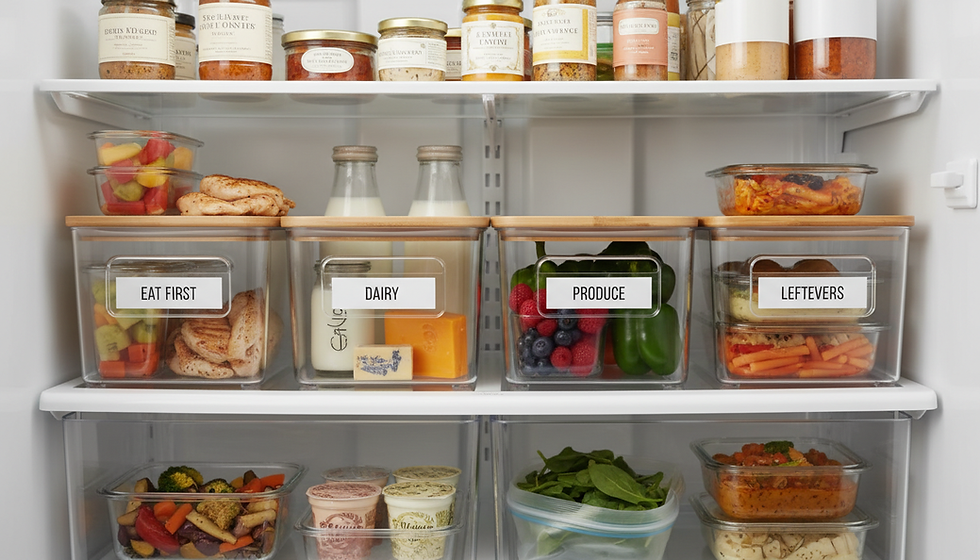
Because buying groceries you already own is getting expensive—and nobody needs three open boxes of crackers.
Let's talk about the pantry.
You open the door looking for a can of tomato sauce, and suddenly you're playing Jenga with the canned goods. A bag of rice falls over, the crackers are hiding behind the cereal, and somewhere in the back is an ingredient you bought in 2023 with big plans.
Sound familiar? Welcome. You're among friends.
The good news is that you don't need a fancy walk-in pantry, matching containers, or an entire weekend to get things under control. With a little time and a simple system, you can make your pantry easier to use, easier to shop from, and a whole lot less frustrating.
Today, we're doing a 15-minute pantry reset. Set a timer, grab a little motivation, and let's get to it!
Step 1: Start With One Shelf
I know the temptation. You want to pull everything out, reorganize the entire kitchen, and emerge three hours later with a pantry worthy of a magazine cover.
Let's not.
Start with one shelf or one small section. If you have more time, keep going. If you don't, you've still made progress.
Remove the items from that section and wipe down the shelf. You might be surprised by the crumbs, mystery sprinkles, and other evidence of life that have collected back there.
Step 2: Check What You Actually Have
Now take a quick inventory.
Group similar items together, such as:
Canned vegetables, beans, and tomatoes
Pasta, rice, and other grains
Baking supplies
Breakfast foods
Snacks and lunchbox favorites
Oils, sauces, and seasonings
Check dates and package condition as you go. Discard food that's spoiled or unsafe, and set aside anything you know you won't use according to local donation guidelines.
Pay special attention to duplicates. If you already have two unopened bags of brown sugar, perhaps the next grocery trip doesn't need to include a third.
Your pantry should help you shop smarter, not sponsor a small grocery store in your kitchen.
Step 3: Give Everything a Home
Here's where the magic happens—and no, you don't need to label every single item in the house.
Give each category a general home. Keep frequently used ingredients where they're easy to reach. Place occasional-use items higher up if they're safe and practical to store there, and keep heavier items on lower shelves.
Try these simple pantry zones:
Everyday essentials: pasta, rice, canned tomatoes, and other meal basics
Breakfast corner: oatmeal, cereal, and pancake mix
Baking zone: flour, sugar, baking powder, and chocolate chips
Snack station: crackers, nuts, popcorn, and grab-and-go snacks
Backstock area: unopened extras, grouped together so you can see what you already own
Adjust the zones to fit how your household actually eats. If your family goes through oatmeal like it's an Olympic sport, give it the easiest spot to reach.
Step 4: Use Bins Before Buying More Stuff
Clear storage bins can be helpful for grouping small packages, snack bags, seasoning packets, and other items that tend to topple over. They can also make deeper shelves easier to manage because you can pull out a whole category at once.
But here's an important rule: measure first, shop second.
Check your shelf width, depth, and height before buying organizers. A beautiful bin that doesn't fit is just another thing you'll have to find a home for.
If you're shopping for a simple upgrade, check out clear pantry organizer bins on Amazon. Look for sturdy handles, useful sizes, and shapes that fit your shelves.
And remember, an empty shoebox or a small basket you already own might do the job just fine. We're organizing a pantry, not auditioning for a home makeover show.
Step 5: Put Older Items in Front
When restocking, bring older items forward and place newer purchases behind them. This makes it easier to use what you already have before opening another package.
Keep food in its original packaging when appropriate, or use food-safe, properly sealed containers suited to the ingredient. If you transfer dry goods into containers, label them with the product name and consider adding the expiration or best-by date from the original package.
Store food according to package directions, away from excess heat and moisture. Organization is helpful, but keeping food safe is the real goal.
Step 6: Make a Quick Pantry Shopping List
Before you close the door, take a look at what's running low.
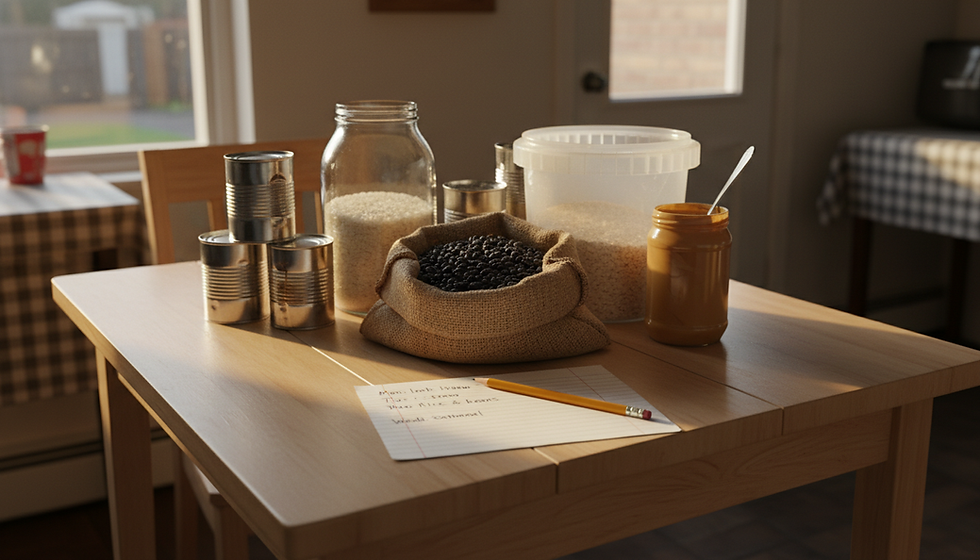
Write down the things you genuinely need. You might discover that you have plenty of pasta, enough canned beans for several meals, and absolutely no reason to buy another jar of cinnamon.
Keep the list on your phone, on a notepad, or somewhere you'll see it before your next shopping trip.
A pantry inventory doesn't have to be fancy. Even a short list can help prevent duplicate purchases and reduce food waste.
Your 15-Minute Pantry Reset Checklist
Ready to give it a try? Here's your quick checklist:
Choose one shelf or pantry section.
Remove items and wipe the shelf.
Check food dates and package condition.
Group similar ingredients together.
Put frequently used items within easy reach.
Use baskets or bins you already own where helpful.
Move older items to the front.
Write down what you actually need to buy.
If you only finish one shelf today, that's still a win. Progress beats perfection every time.
A Little Organization Goes a Long Way
An organized pantry isn't about having matching containers or making your kitchen look like a catalog. It's about making everyday life easier.
When you can see what you have, find what you need, and shop with a little more intention, you save time and may waste less food.
And if your pantry gets messy again next week? Congratulations, you live in a house where people eat.
Set aside another 15 minutes when you need a reset. No guilt, no perfection required.
Now I'd love to know: What's the one thing in your pantry that always seems to disappear—or multiply when you're not looking? Tell me in the comments. I'm convinced some bags of pasta reproduce when the pantry door closes.
Happy organizing!
— Rooted in Reality 🌱
Want more practical ideas for a home and garden that work in real life? Explore more Rooted in Reality posts for simple tips, seasonal projects, and ways to make everyday routines a little easier.
Affiliate Disclosure: Rooted in Reality participates in the Amazon Services LLC Associates Program. As an Amazon Associate, I earn from qualifying purchases.


Comments