Pumpkins: The Surprising Story Behind Fall’s Favorite Garden Treasure

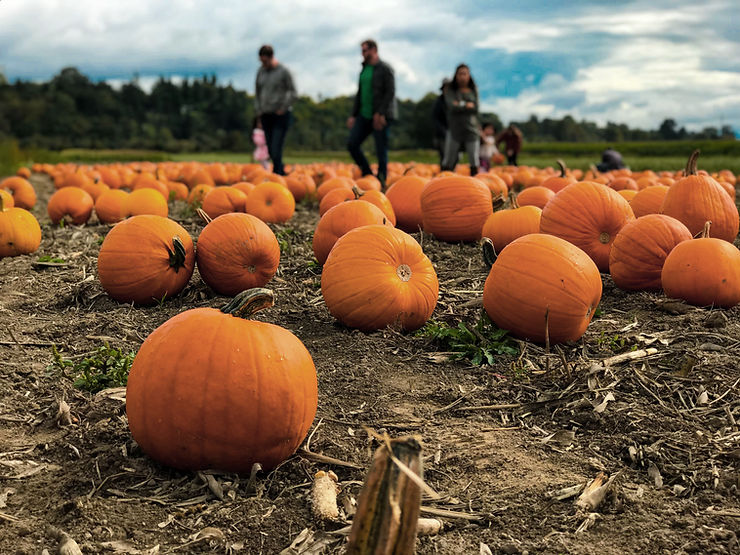
From ancient gardens to modern-day pumpkin patches, these colorful fruits have a story worth knowing—and a whole lot more to offer than a pretty porch display.
There’s something about pumpkins that makes fall feel like fall. Maybe it’s the bright orange color, the smell of pumpkin bread coming out of the oven, or the annual tradition of carving a face into a pumpkin and pretending we aren't going to jump when we walk past it in the dark. 🎃
But pumpkins have been around a whole lot longer than Halloween decorations, pumpkin spice lattes, and those giant inflatable pumpkins taking over front yards.
These familiar fall favorites have a fascinating history rooted in agriculture, food, and the ingenuity of the people who grew them long before pumpkins became an autumn tradition.
And if you grow a garden, there’s even more reason to appreciate them.
A little pumpkin history: Older than your favorite fall traditions
Pumpkins and other squash are among the oldest cultivated crops in the Americas. Archaeological evidence suggests that some squash varieties were domesticated thousands of years ago, with early evidence dating back roughly 10,000 years in parts of Mexico. Long before pumpkins became associated with Halloween, Indigenous peoples throughout the Americas grew and used squash as important food crops. Smithsonian Magazine
Think about that for a moment.
People were growing, harvesting, preparing, and saving these crops thousands of years before we had garden centers, seed catalogs, or a dozen varieties of pumpkin-flavored everything.
Pumpkins were valued for practical reasons. They provided food, their seeds could be eaten, and many types of squash could be stored or preserved for later use. Over generations, people selected plants with useful characteristics, helping develop the many varieties we know today.
The pumpkin's story isn't just about a vegetable. It's also a story about people learning to work with the land and make the most of what they grew.
The garden connection: Pumpkins and the Three Sisters
One of the most interesting parts of pumpkin history is its connection to the traditional Indigenous agricultural practice known as the Three Sisters.
In many Indigenous farming traditions, corn, beans, and squash were grown together in a complementary planting system. The precise methods and cultural meanings varied among communities, but the crops could support one another in practical ways.
Here's how the arrangement works:
Corn grows tall and can provide a structure for climbing beans.
Beans can add nitrogen to the soil through their partnership with beneficial root bacteria.
Squash, including pumpkins, spreads across the ground, helping shade the soil and reduce moisture loss and weed growth.
The Three Sisters is much more than a gardening trick. It represents generations of Indigenous agricultural knowledge, cultural traditions, and relationships with the land. The details differ among Indigenous nations, and their knowledge deserves recognition as a living tradition, not simply an old-fashioned planting technique. USDA National Agricultural Library
For today's home gardener, it offers a useful reminder: sometimes a garden works better when we think about how plants grow together rather than treating every plant as if it lives on its own little island.
Of course, pumpkins can take over a garden faster than a toddler with a box of crayons, so give those vines plenty of room!
How pumpkins traveled into our modern kitchens
When European explorers arrived in the Americas, they encountered crops that Indigenous peoples had been growing and using for generations. Pumpkins and other squash eventually traveled across the Atlantic as part of the exchange of plants, foods, and other goods between the Americas and Europe.
Over time, pumpkins became established in European gardens and kitchens, too.
In colonial North America, pumpkins were a practical food. They could be boiled, roasted, stewed, and incorporated into other dishes. They were especially useful in a time when families relied heavily on what they could grow, store, and preserve.
Pumpkin pie eventually became an American favorite, but it wasn't always the sweet, spiced dessert we picture today. Early pumpkin preparations varied, and recipes evolved as ingredients and cooking traditions changed. Library of Congress
Today, pumpkins have a starring role in everything from soups and breads to roasted vegetables and desserts.
And let's be honest: October would feel a little strange without them.
Pumpkins aren't just pretty—they're nutritious, too
Now for the part that makes me appreciate pumpkins even more: they're useful in the kitchen as well as the garden.
Pumpkin flesh contains beta-carotene, the orange-colored plant pigment that our bodies can convert into vitamin A. Vitamin A plays important roles in normal vision, skin health, and immune function. Pumpkin also supplies fiber and other nutrients. USDA Agricultural Research Service
Pumpkin seeds have their own nutritional benefits. Depending on how they're prepared, they can provide protein, unsaturated fats, fiber, and minerals such as magnesium and zinc.
The takeaway? Pumpkin is more than a seasonal decoration. The flesh and seeds can both be part of a varied, balanced diet.
And you don't have to turn every pumpkin into a complicated recipe to enjoy it. A bowl of homemade pumpkin soup, roasted pumpkin cubes, or a handful of seasoned pumpkin seeds is a pretty good place to start.
Don't toss those pumpkin seeds!
If you've ever carved a pumpkin, you know the drill. You cut off the top, scoop out the stringy insides, and suddenly you're standing over a bowl of pumpkin guts wondering why you thought this was a fun family activity.
But hold on before everything goes into the trash!
Those seeds can become a crunchy, delicious snack with just a few simple ingredients.
Separate the seeds from the pulp, rinse them well, and dry them thoroughly. Toss them with a little oil and salt, add your favorite seasoning, and roast until golden and crisp. Check them periodically because seed size and moisture can affect cooking time.
Want to make them more interesting? Try one of these five flavor ideas:
Ranch: Tangy, savory, and perfect for snacking.
Spicy: Add chili powder and a little cayenne for some heat.
Everything Bagel: Bring on the savory crunch.
Garlic & Herb: A simple garden-inspired favorite.
Maple Cinnamon: A sweet, cozy option for fall.
You can find the full instructions and seasoning ideas below.
It's a small way to use more of what you already have—and make pumpkin-carving night a little more delicious.
Thinking about growing pumpkins next year?
If this little history lesson has you looking at pumpkins differently, maybe it's time to give them a spot in your own garden.
Pumpkins generally need a sunny location, fertile soil, consistent moisture, and plenty of room for their vines. Some compact varieties are more suitable for smaller spaces, while traditional vining varieties can spread several feet or more.
Before planting, consider what you want to harvest:
Carving pumpkins are great for autumn displays.
Pie pumpkins are generally selected for cooking and baking.
Small decorative pumpkins can add color to your fall porch or table.
Specialty squash varieties offer different shapes, colors, and culinary uses.
If you're planning next year's garden, keep notes about the varieties you grow, how much space they need, and which ones you enjoy most. A garden planner can help you keep those details organized instead of relying on your memory come spring.
And if you're interested in saving seeds, remember that not all pumpkins will produce offspring identical to the parent plant. Open-pollinated varieties are generally the best place to start, while hybrid varieties may produce unpredictable results. Pumpkins can also cross-pollinate with compatible squash varieties, so seed-saving takes a little planning.
A little pumpkin wisdom to take into next year's garden
What I love most about pumpkins is that they connect so many parts of everyday life.
They're tied to thousands of years of agricultural history. They remind us of the knowledge and care that Indigenous communities brought to growing food. They give us something colorful to grow, something useful to cook, and something delicious to share.
And they remind us that the garden doesn't have to be perfect to be worthwhile.
Sometimes we grow a beautiful pumpkin. Sometimes we grow a pumpkin the size of a basketball that refuses to ripen before the first frost. And sometimes we accidentally plant a variety that takes over half the garden.
That's gardening. We learn, we adjust, and we try again.
So the next time you pick up a pumpkin, remember that you're holding more than a fall decoration. You're holding a little piece of agricultural history—and a whole lot of possibilities for the kitchen.
Around here at Rooted in Reality, we believe the best gardens give us more than something pretty to look at. They give us something to learn, something to eat, and a reason to keep growing. 🌱
Keep growing with Rooted in Reality
Plan your next garden: Ultimate Garden Planner
Learn to save seeds: Beginner's Guide to Saving Vegetable Seeds
While you are here don't forget to sign up for our mailing list!


Comments